The art of embroidery with gold and silver threads has always played a special part in the culture of Eastland. Throughout history, embroidered garments have indicated the high profile of the one who wears them. Nowadays, the cost of some items reaches several hundred thousand dollars, and you can see others only in a museum. In days of yore, young men in love were ready to give everything for such goods to please their beloved.
Luxurious floral patterns (Islam has always been against depicting people and animals) adorned both exquisite natural fabrics and off-the-shelf items. You can often see images of the tree of life, symbolizing birth, growth, maturity, death, and then rebirth.
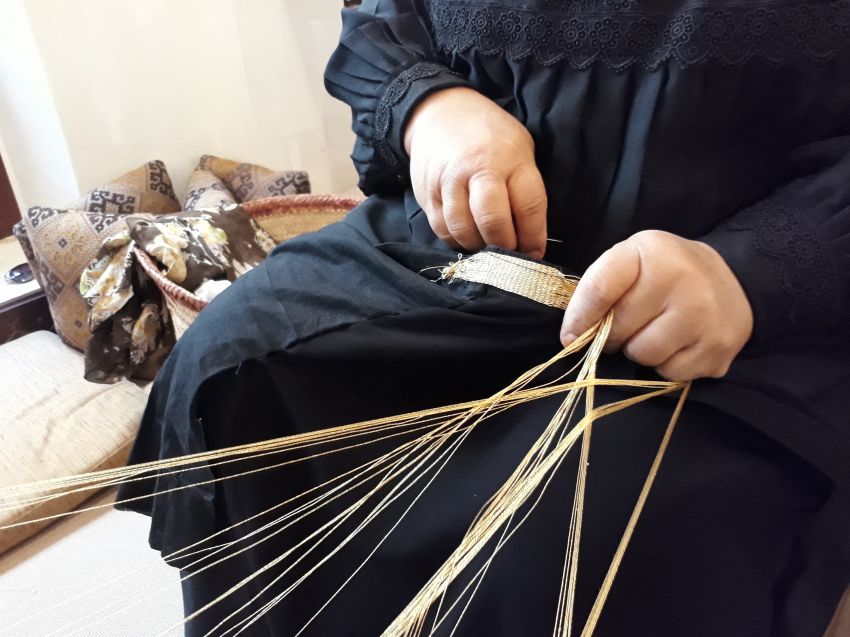
Poets of East praised the work of sewists equally with the works of artists and musicians. In ancient cities, there were whole societies of craftswomen, each distinguished for her own style of embroidery and unique pattern. The art of embroidery was passed down from generation to generation; each country called this art in its own way. Embroidery of the Bedouins of the Arabian Peninsula acquired the name “kurar.” It took four people to create it: each was holding four silver or gold threads, so all the work was done in eight hands.
Later, the industrial revolution practically outcompeted handcraft. Women could receive education, and embroidery ceased to be the only female occupation in the Arab world. Only at the end of the 20th century did the popularity of handicrafts increase again. The forgotten art was revived on Muharraq Island, part of the Kingdom of Bahrain.
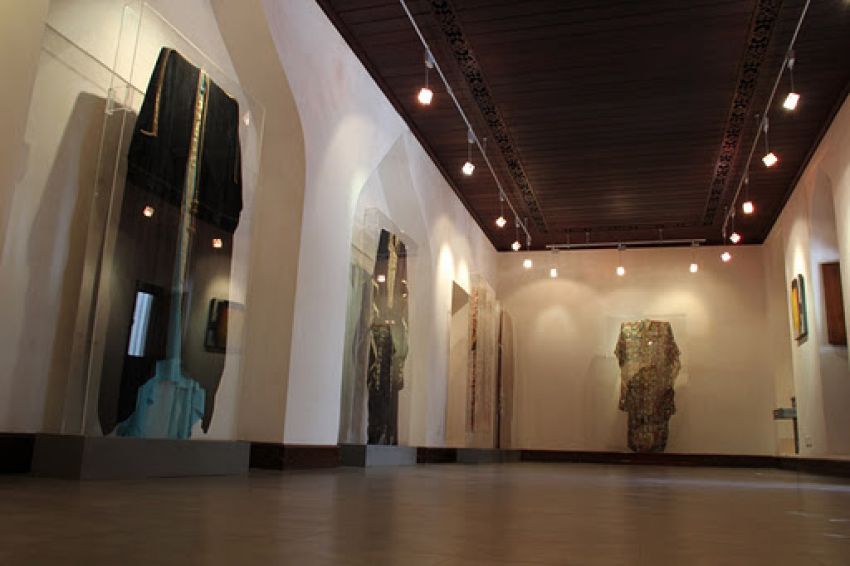
The famous Kurar House museum was founded in 2007 with the support of the cousin of the King of Bahrain, Sheik Hamad bin Isa bin Salman Al Khalifa. The museum is also a hub for traditional women’s crafts, where the older generation passes on their skills to young craftswomen. Here, you can also buy finished goods decorated with kurar embroidery.