White Bird Monument

COM_SCATALOG_FIELD_DESCRIPTION

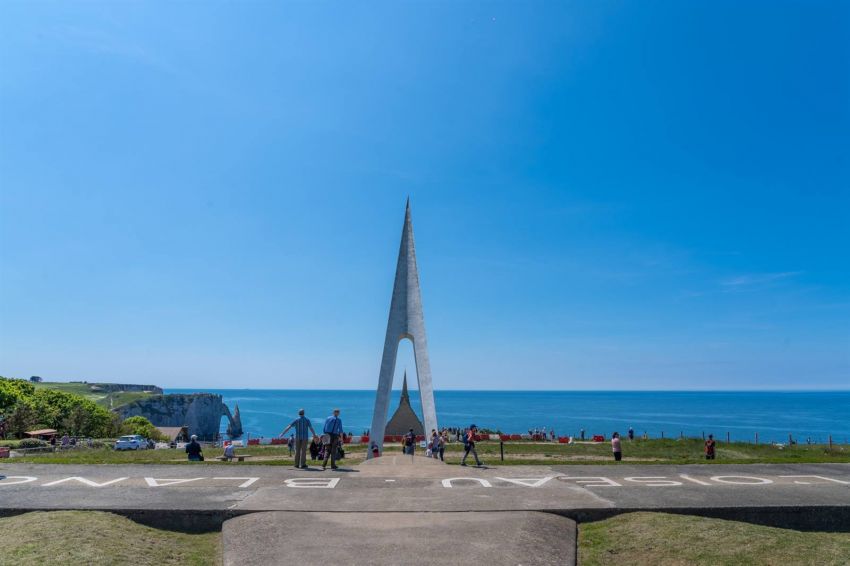
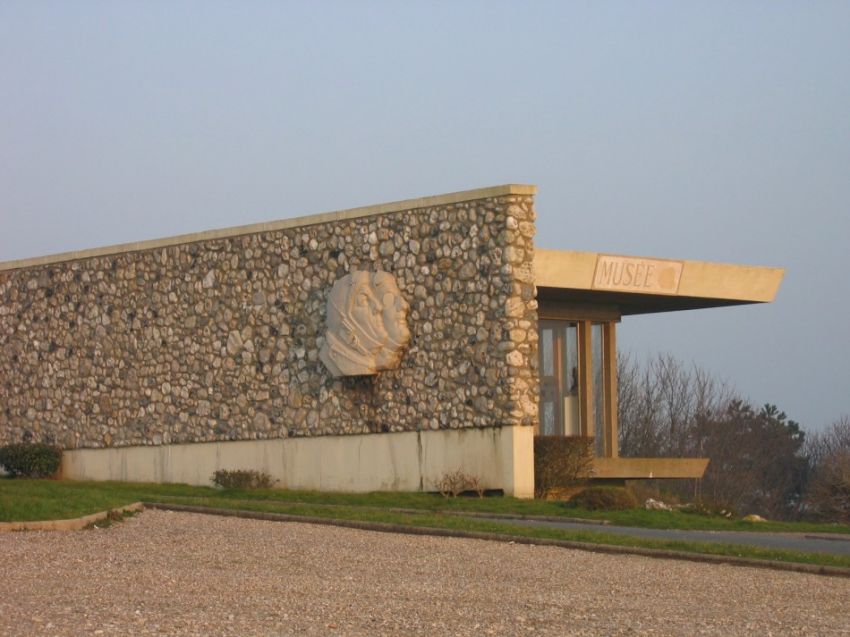
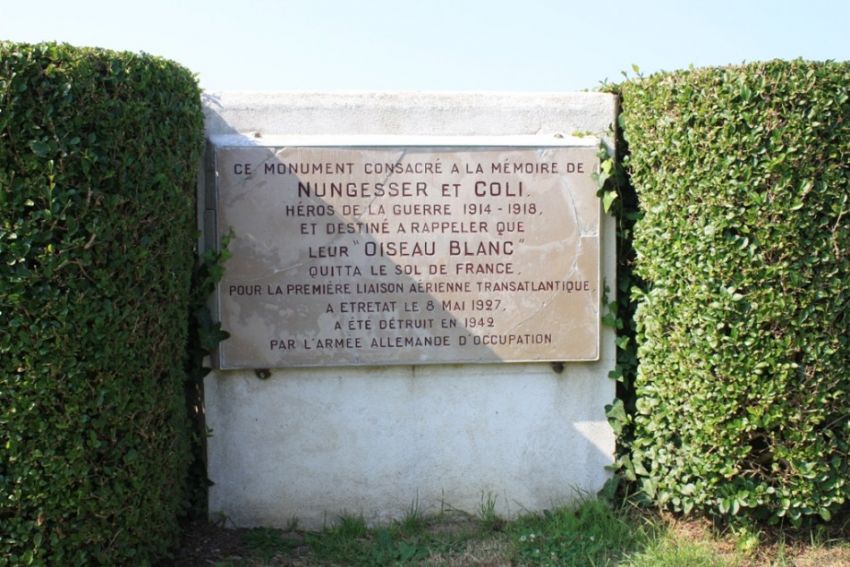
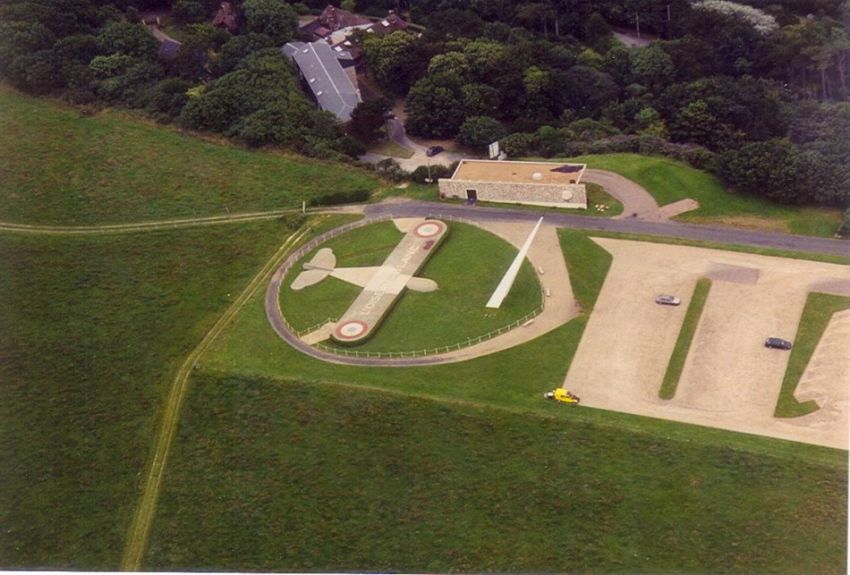
The White Bird Monument is one of the attractions of the town of Étretat on the Alabaster Coast of Normandy. It is erected in memory of two French pilots who went missing during a flight over the Atlantic Ocean in 1927. The first non-stop flight across the Atlantic was planned by pilots François Coli and Charles Nungesser. The open-ended single-engine biplane, which was supposed to take off in Paris and land in New York, was named the "White Bird". The audience on both sides of the ocean followed the preparations for the flight with great interest, and the American businessman of French origin Raymond Orteig promised the aviators a prize of $ 25,000 if the flight was successful. On May 8, 1927, at 5 hours 18 minutes in the morning, the biplane took off from the French capital, but it never came to New York. Its fate became one of the biggest mysteries in the history of aviation. During the recent studies, experts have come to the conclusion that the "White Bird" managed to fly at least to Newfoundland and crashed in Maine. The "White Bird" was last seen over Étretat, so a monument dedicated to the plane was erected there. The first monument was erected immediately after the disappearance of the biplane, in the same year - 1927. 15 years later, during the Second World War, the monument was destroyed during the German bombing, along with the chapel located nearby. The new monument is dated 1961. It was recreated in the form of an airplane with a nose directed towards the Atlantic: the "White Bird" flew away in this direction and disappeared forever. Next to the monument, there is a museum of the history of this biplane, where visitors can learn more about the last flight of François Coley and Charles Nungesser and see original photographs of the "White Bird" and its pilots.

COM_SCATALOG_FIELD_INTERESTING_FACTS

In January 1961, Cliff Iceland, who was fishing for lobsters in Casco Bay on the northeastern coast of the United States, found that he could not raise an anchor from the water. It was caught on something heavy in the depths. When they finally got it out, it turned out that together with an anchor they pulled out a part of an old plane, covered with algae and mud. Having carefully studied the wreckage, experts came to the conclusion that these are the remains of an aircraft created about thirty-five years ago. French experts who came to the aid of their American colleagues confirmed that these were the wreckage of the "White Bird".

COM_SCATALOG_FIELD_ADDRESS
Avenue Damilaville, 76790 Étretat, France, , , , France

We use cookies to improve our website and your experience when using it. Cookies used for the essential operation of this site have already been set.To find out more about the cookies we use and how to delete them, see our privacy policy including cookie use

 I accept cookies from this site.